

Virtual Exhibition – The Boundaries of Recognition
Photography at the Edge of Image and Perception
In April 2026, the opening of my exhibition The Boundaries of Recognition took place at the Centre for Local Activity in Więcbork, Poland.
This is the first exhibition in a planned series, bringing together photographs created over many years, dating back at least to 2011. Although the works were made at different times, they share an interest in light, matter, fragments, and the boundary between what can be recognised and what resists a definitive interpretation. Many of these photographs emerge from explorations that have accompanied my artistic practice from the beginning, developing alongside my documentary and travel photography.
What we see is not always what it appears to be. Meaning is not given here - it emerges in the act of looking.
I invite you to watch the video presentation of The Boundaries of Recognition on YouTube.
Click the image below.

The Boundaries of Recognition explores the moment when an image ceases to be obvious. The body loses its unambiguous identity, matter becomes more than a surface, and light begins to create a narrative of its own. I am interested in the space between what can be recognised and what escapes definition.
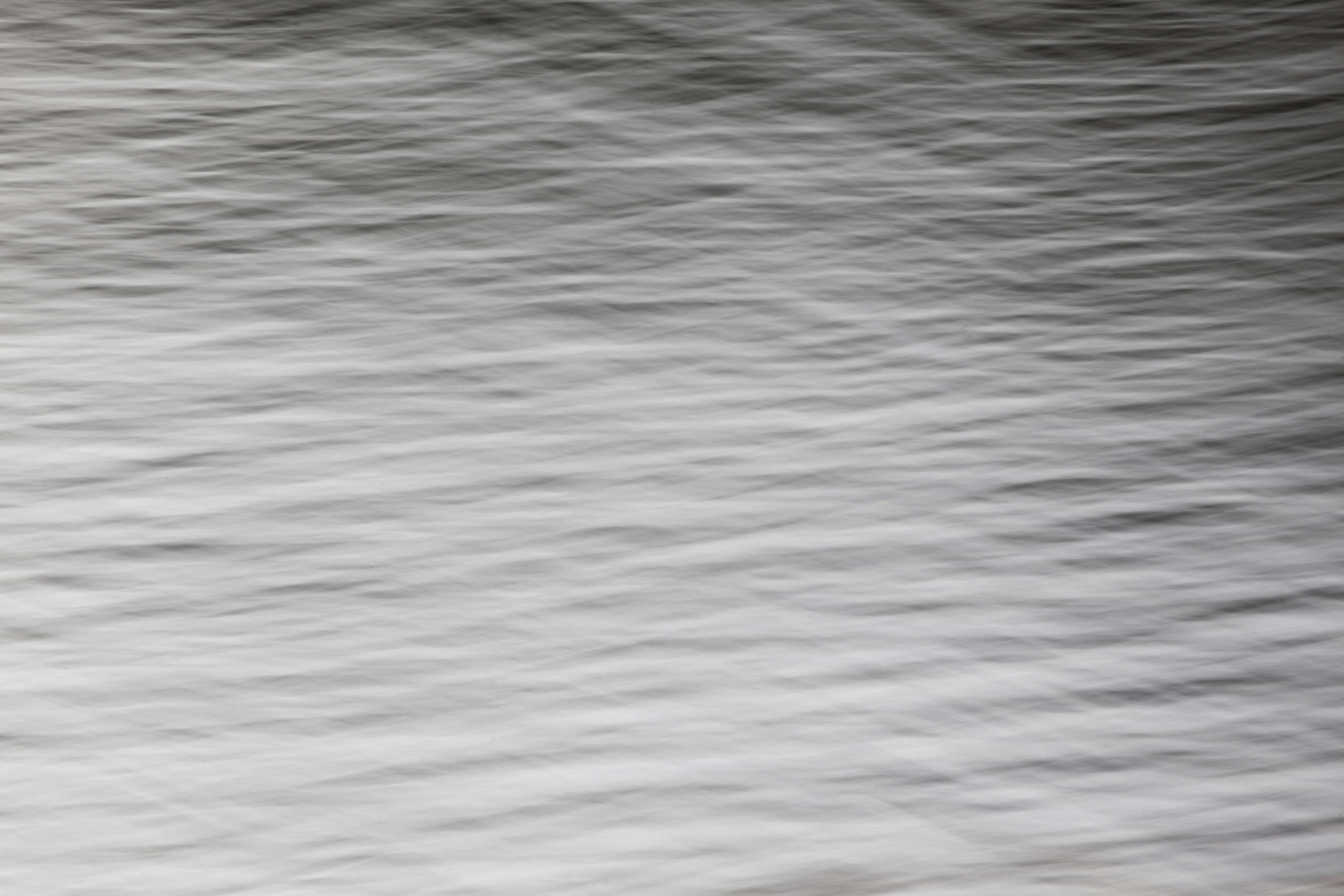
My starting point is the observation of nature: water, light, movement, and matter. Water, reflections, and structures are not merely subjects in these photographs. They become means of constructing images that remain open to different interpretations.
Minimalism allows me to focus on what remains when excess is removed. Abstraction offers a way to experience reality more intensely rather than describe it literally. The nude, too, moves beyond the representation of the body – it can become a landscape, a structure, a fragment of form, or a trace.
For me, the image itself is only part of the process. The act of photographing can become a form of mindfulness, almost a meditation – a moment in which haste and the need to immediately identify what we see begin to disappear. What remains is looking, observing, and trying to capture something that cannot always be explained in words.
Image and Sound
An audiovisual component forms an integral part of the exhibition: a projection of water in motion accompanied by an original sound composition created with the help of artificial intelligence, using the Suno tool. It brings together human sensitivity and technology. Rather than simply illustrating the image, the sound exists alongside it, creating an atmosphere and a sense of duration.
In the video presentation prepared for online viewing, photography and moving images of water have been brought together as a single work. This makes it possible to experience the project beyond the exhibition space, in a different place, at a different time, and at one’s own pace.
An Exhibition as the Beginning of Further Exploration
The project also developed through a curatorial dialogue, using contemporary analytical tools to work on the selection of photographs, their relationships, and the overall rhythm of the exhibition. I wanted the individual images to function not merely as separate photographs, but as elements of a space that invites personal interpretation.
Bringing these works together in one space has allowed me to see their relationships more clearly and recognise the direction my artistic explorations have been taking for years. The Boundaries of Recognition does not mark the end of a process, but another stage in its development – a starting point for further experiments with images, colour, and perception. I remain interested in the tension between what I see and what is ultimately captured within the frame.
Not everything needs to be recognised in order to be experienced.
