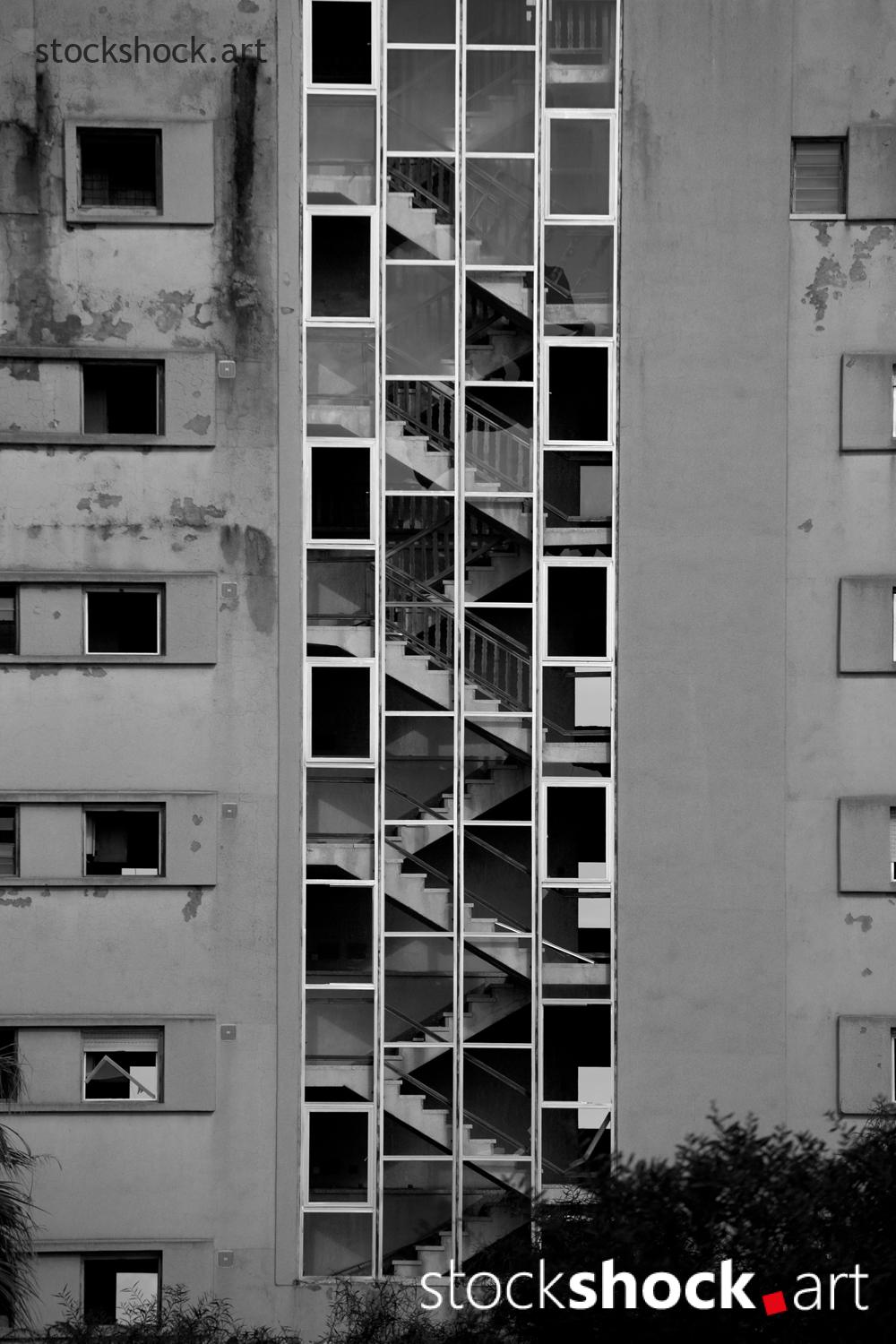
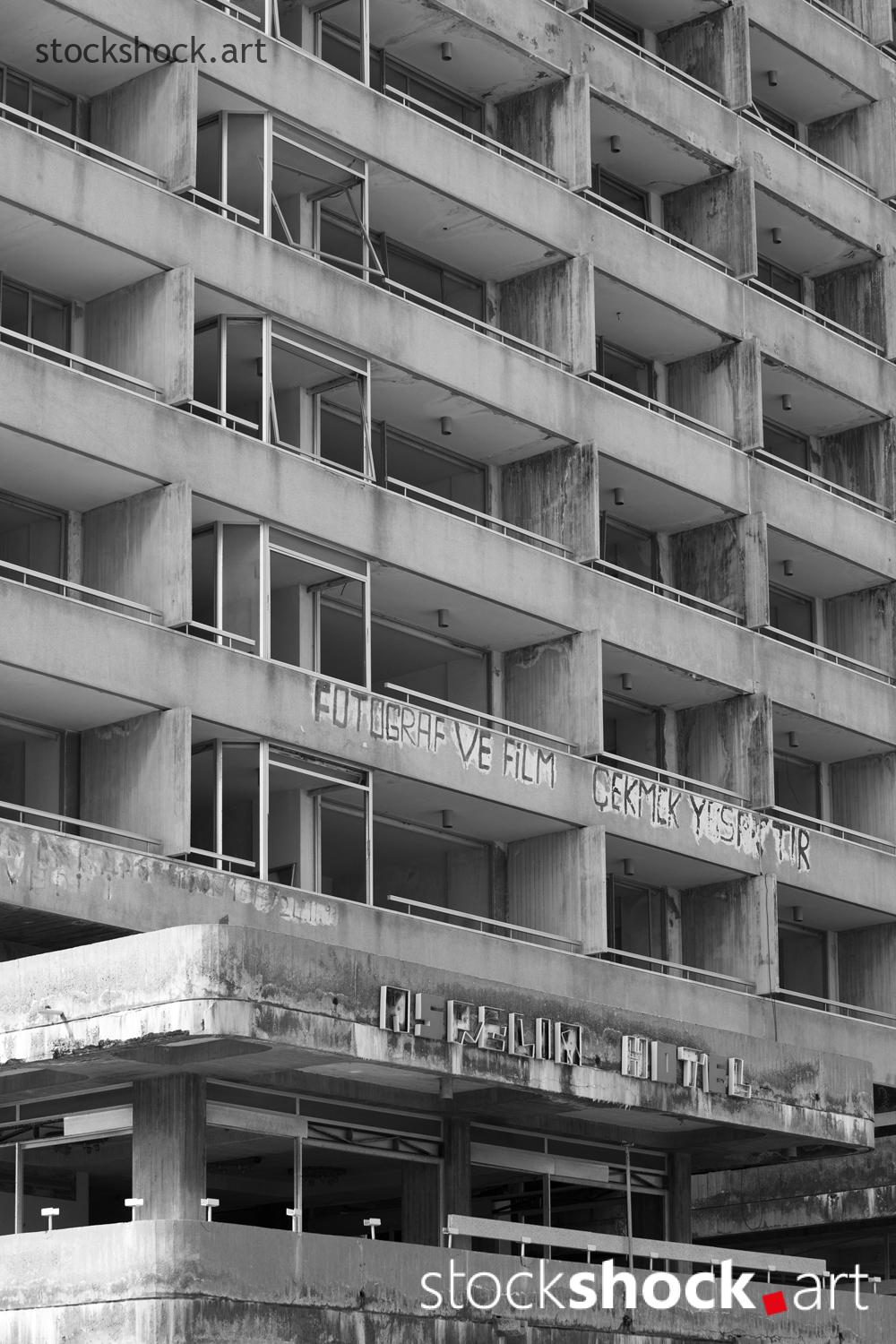
Varosha, also known as the “Copacabana of the Mediterranean,” was once the gem of the Cypriot coastline, one of the world’s most popular tourist resorts. After the Ottoman Empire conquered Cyprus in 1571, the Turks did not allow Christians to settle within the Venetian walls of Famagusta. As a result, Christians began settling south of the city, creating what became known as the Varosha district.
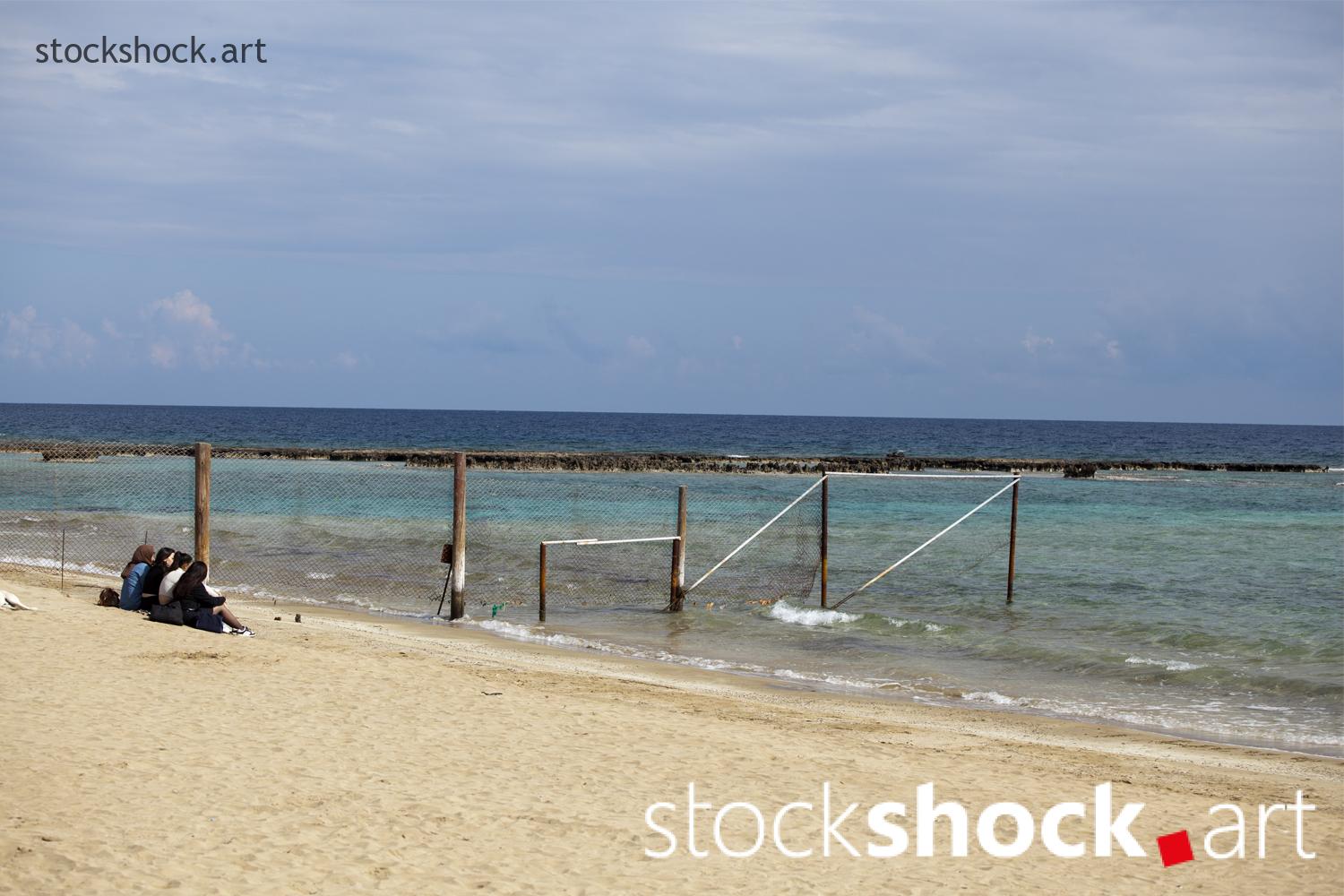
This place attracted movie stars, artists, and millions of tourists, offering golden beaches, luxurious hotels, and top-tier entertainment. However, today, Varosha, located on the outskirts of Famagusta, is an abandoned ghost town, fenced off with barbed wire, left to the mercy of time and oblivion. Being in Cyprus, I couldn’t resist the urge to see Varosha with my own eyes, despite numerous warnings. I was told that it is a restricted area, strictly guarded by the military, and that access was impossible. Tourists were advised not to cross the border due to the potential dangers. Despite all these warnings, I decided to go forward and reach this legendary place.
Paradise on earth.
In the 1960s and 1970s, Varosha was one of the most exclusive tourist resorts in the Mediterranean. Its wide, sandy beaches and crystal-clear waters attracted tourists from all over the world. It was here, in luxury hotels, that the wealthiest people and Hollywood stars like Elizabeth Taylor and Brigitte Bardot vacationed. At that time, Varosha competed with famous beaches like the French Riviera or Copacabana in Rio de Janeiro.
A tragic turning point – 1974
The history of Varosha took a tragic turn in July 1974. Due to a Turkish invasion of Cyprus triggered by a Greek-backed coup, the island was divided. Turkish forces occupied the northern part of the island, and the residents of Varosha had to flee, leaving all their belongings behind. In just a few days, the bustling city became a ghost town, and its Greek Cypriot residents were never allowed to return. The area was fenced off with barbed wire, becoming a military zone closed to civilians. Even tourists were prohibited from entering.
A ghost town.
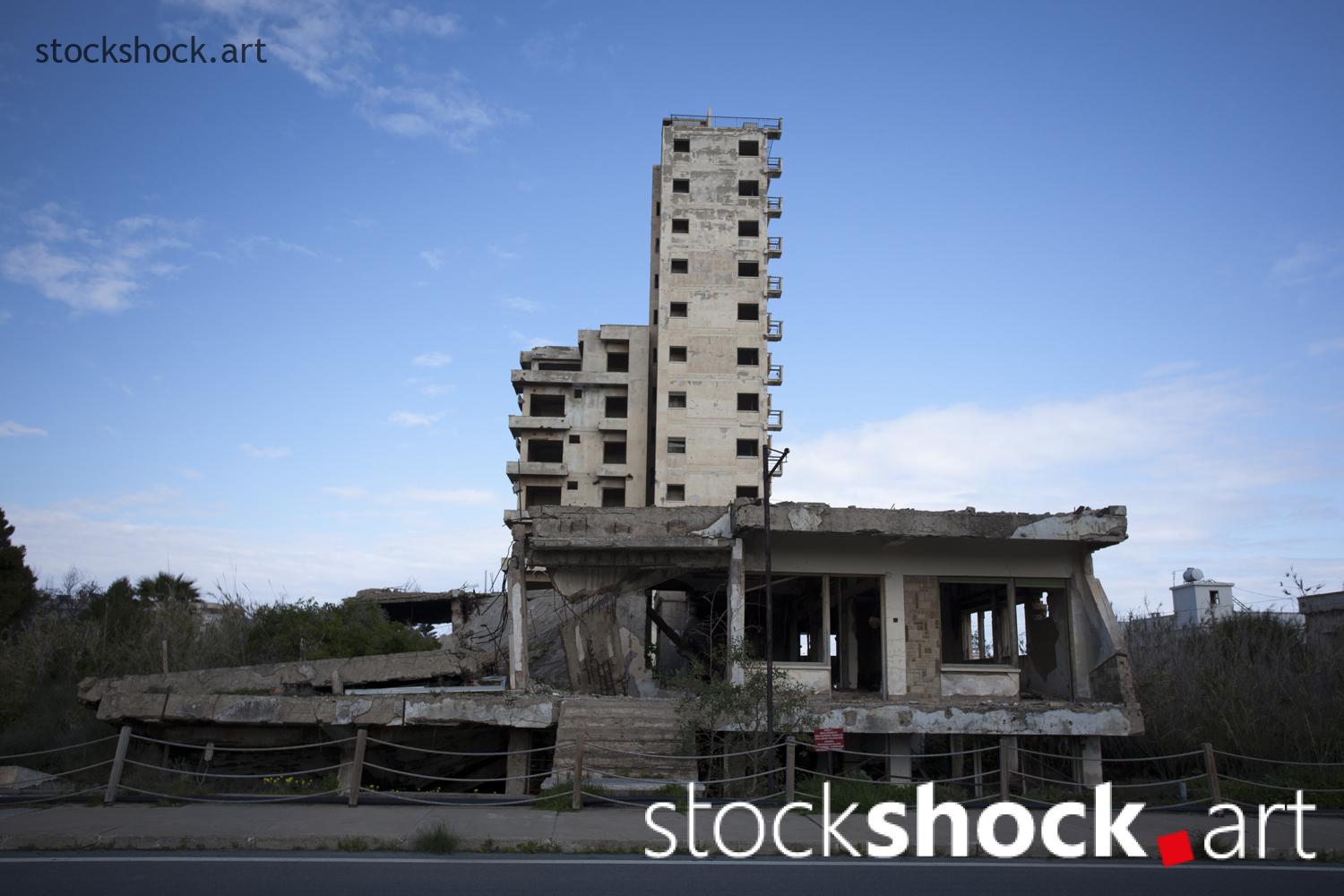
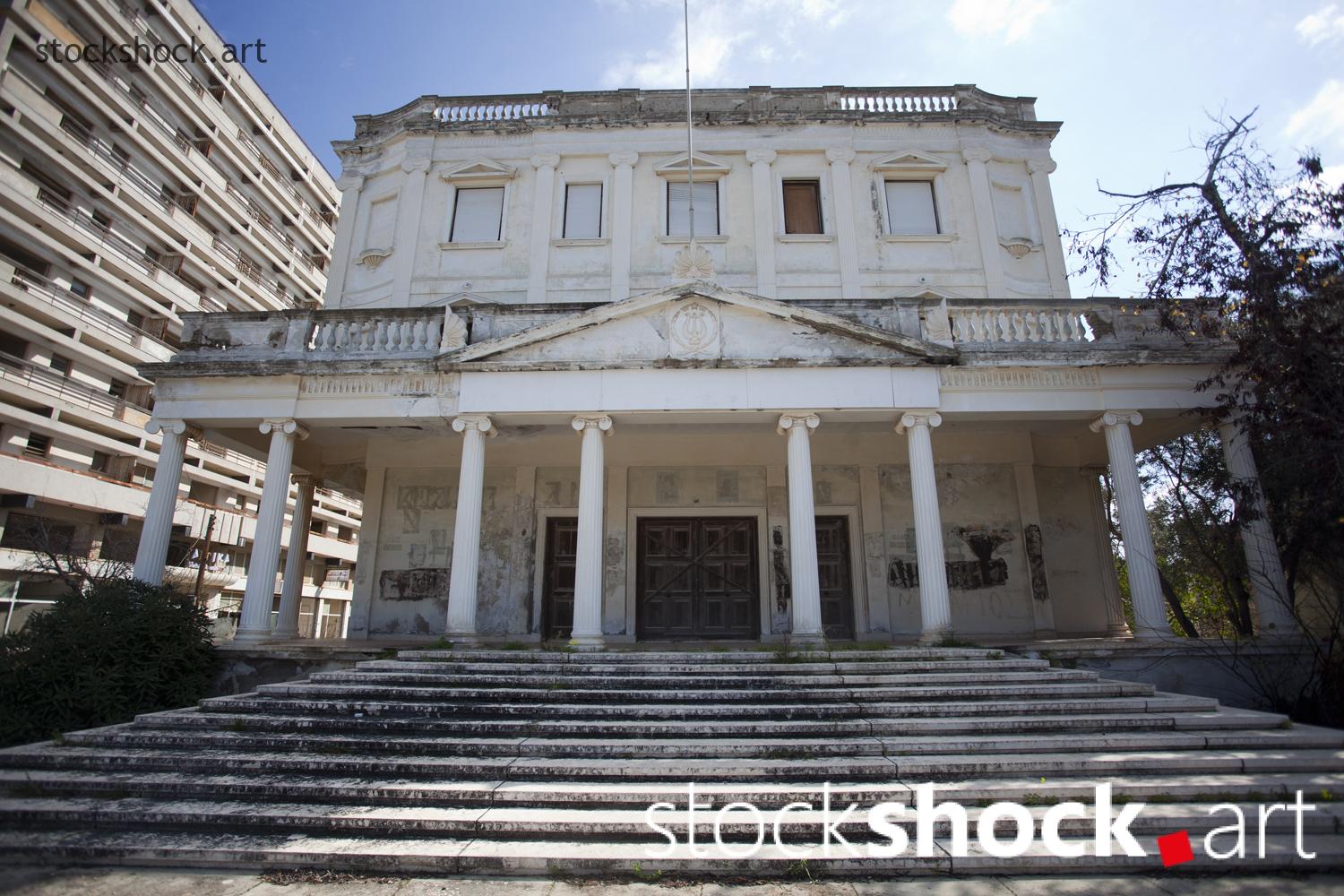
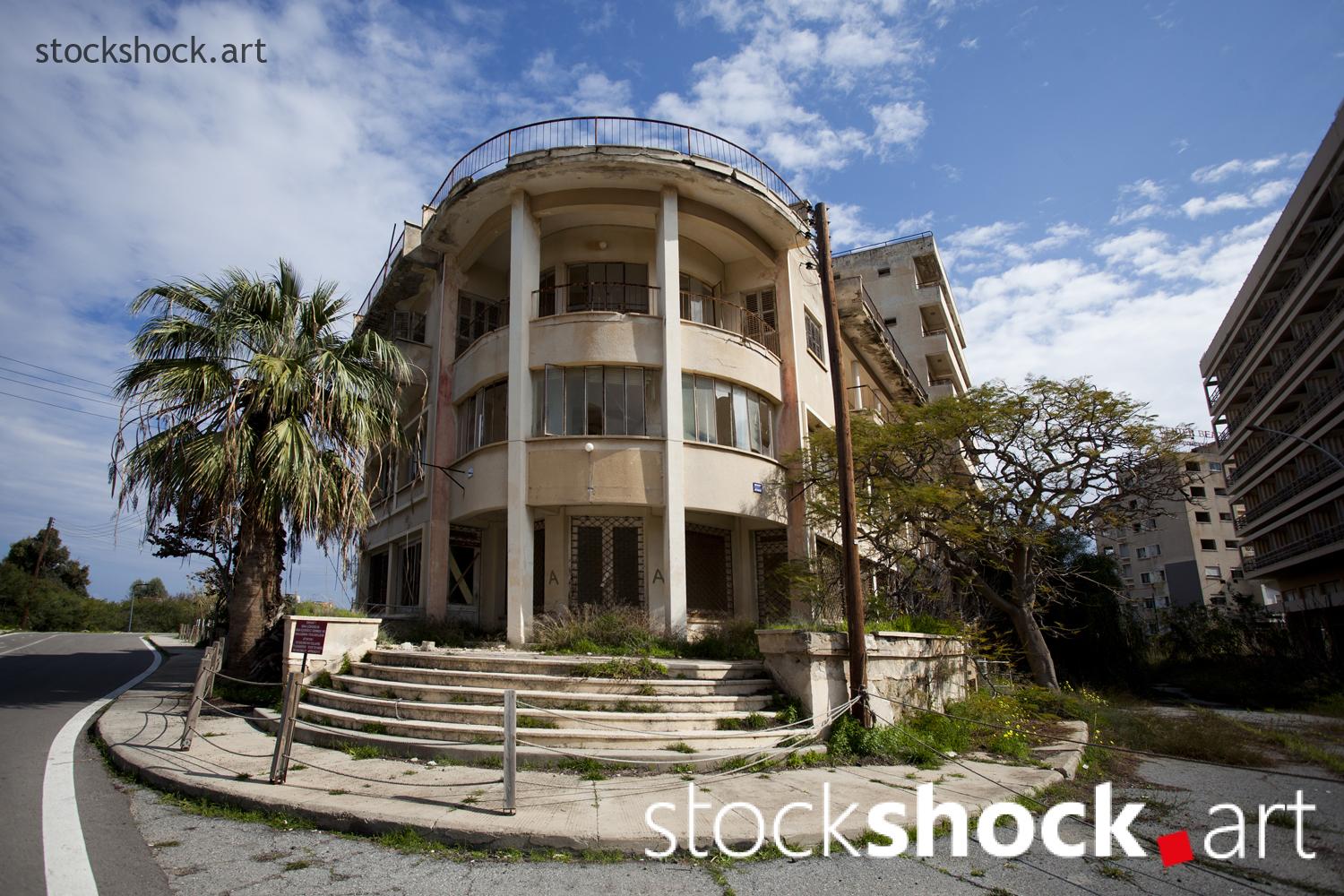
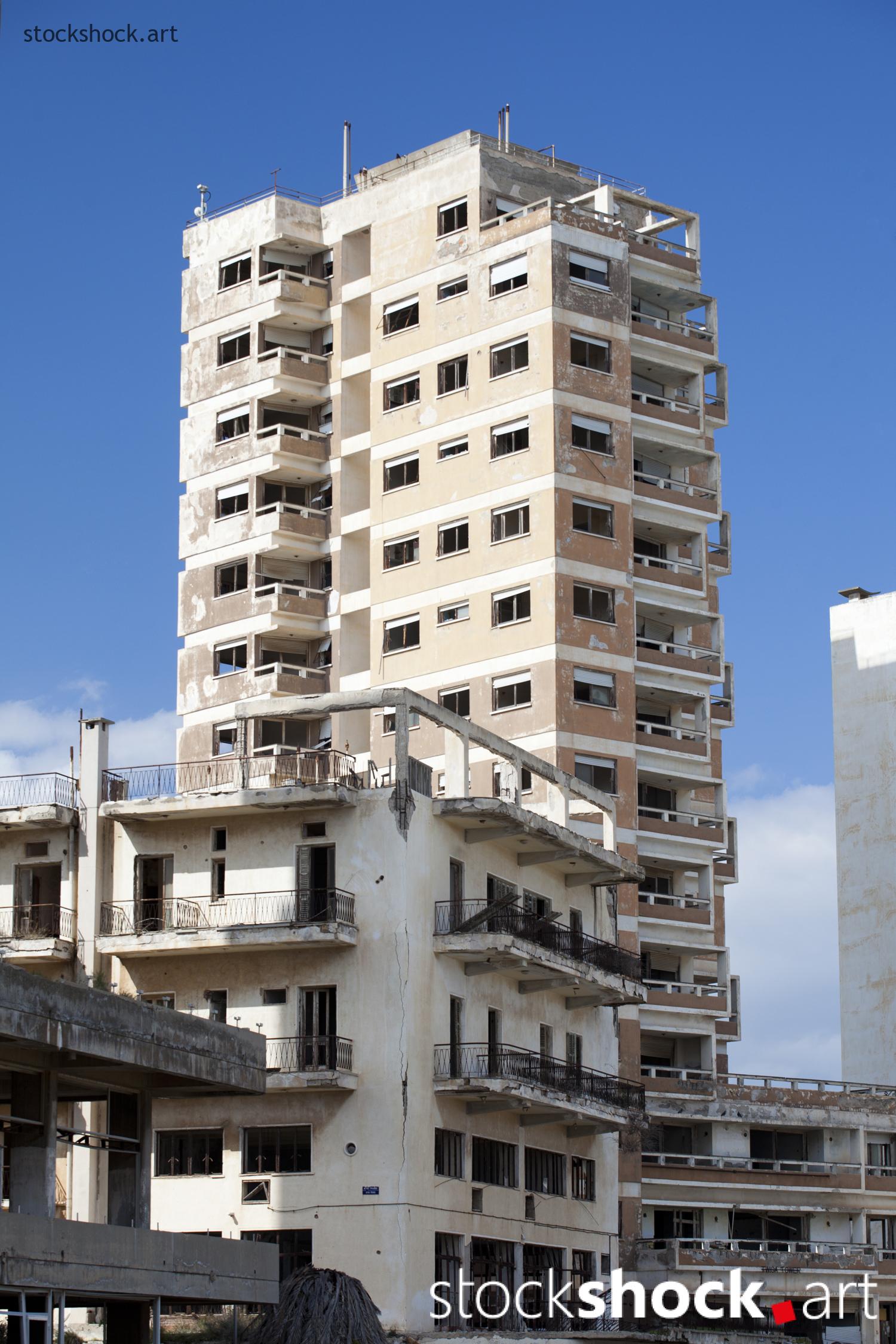
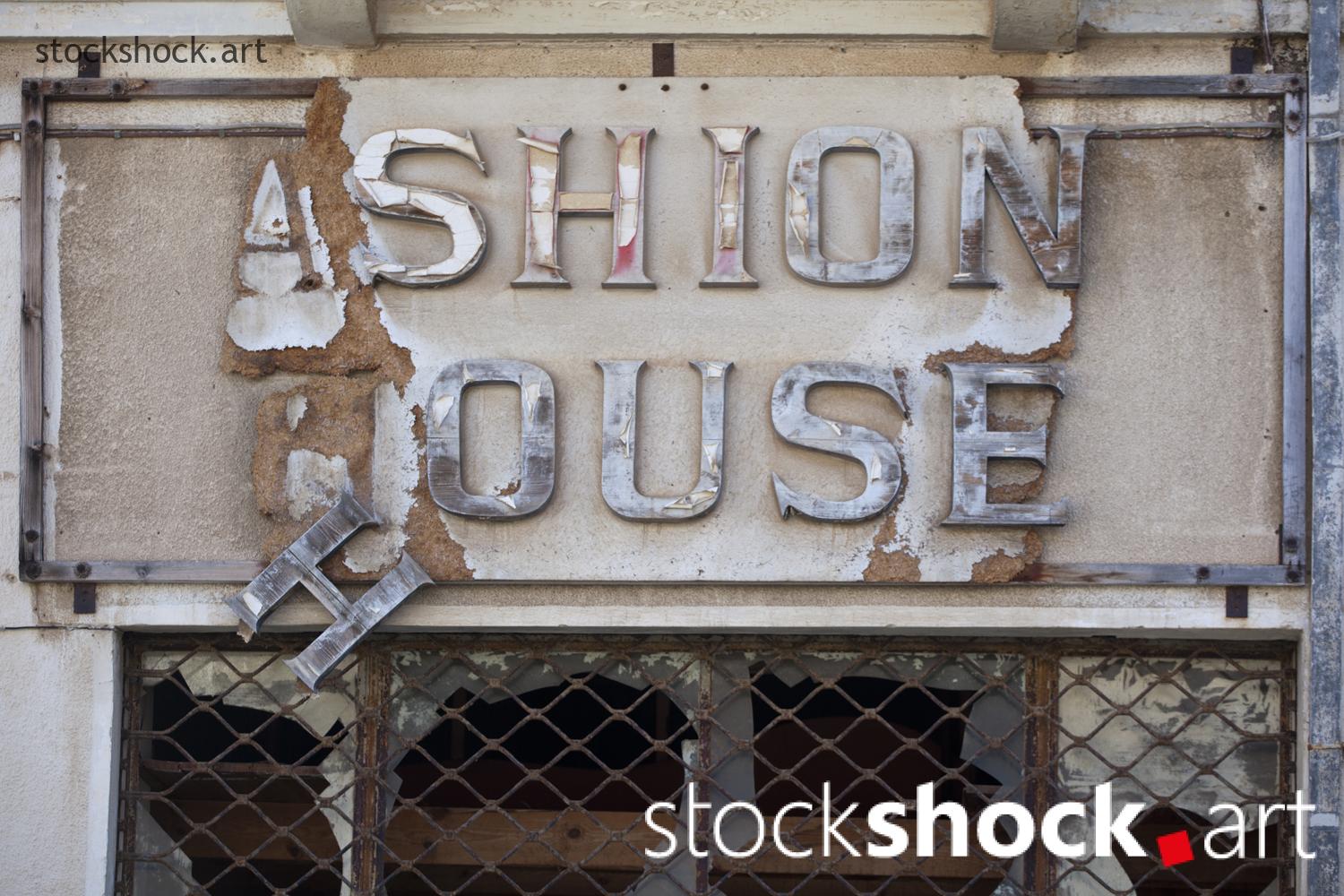
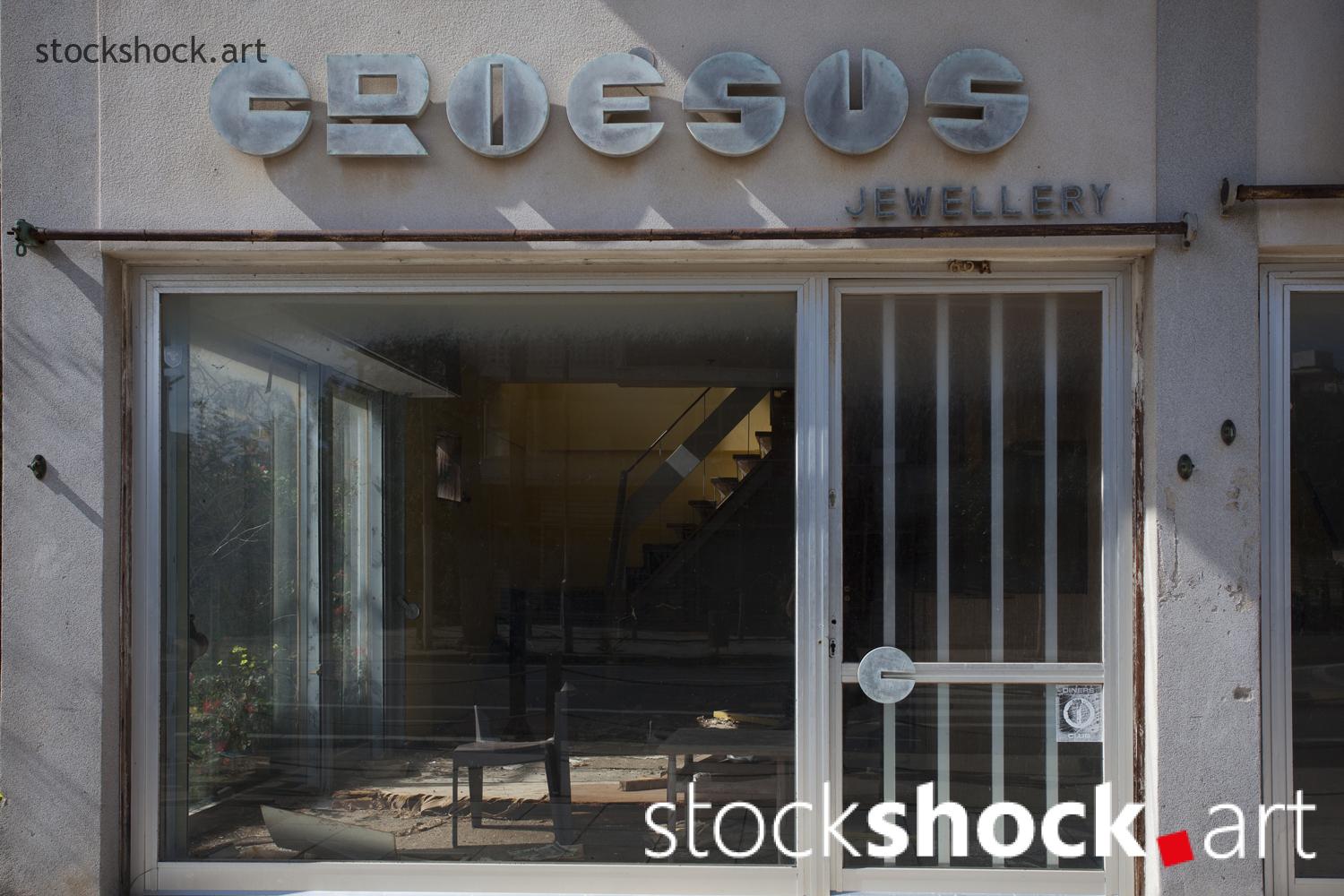
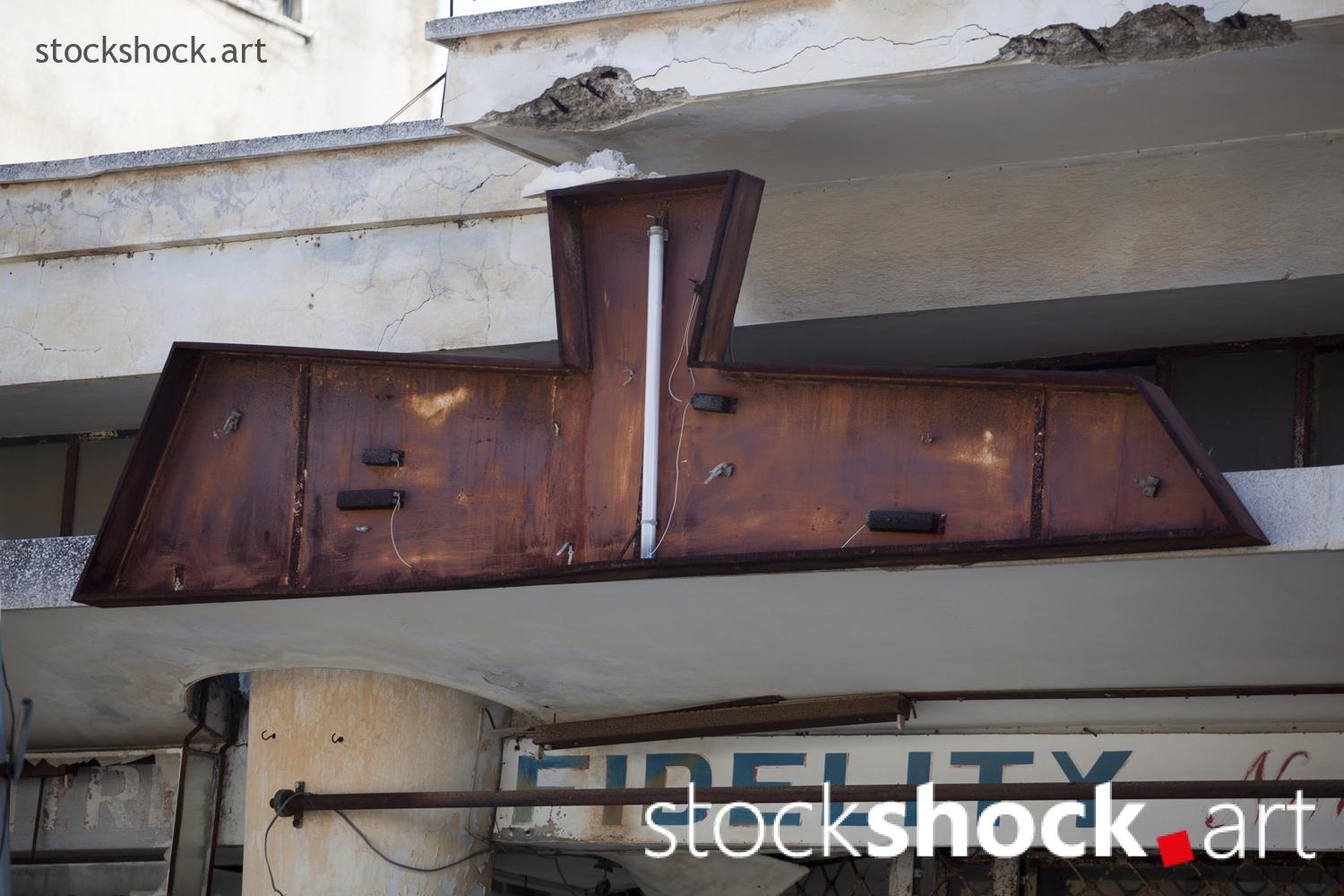
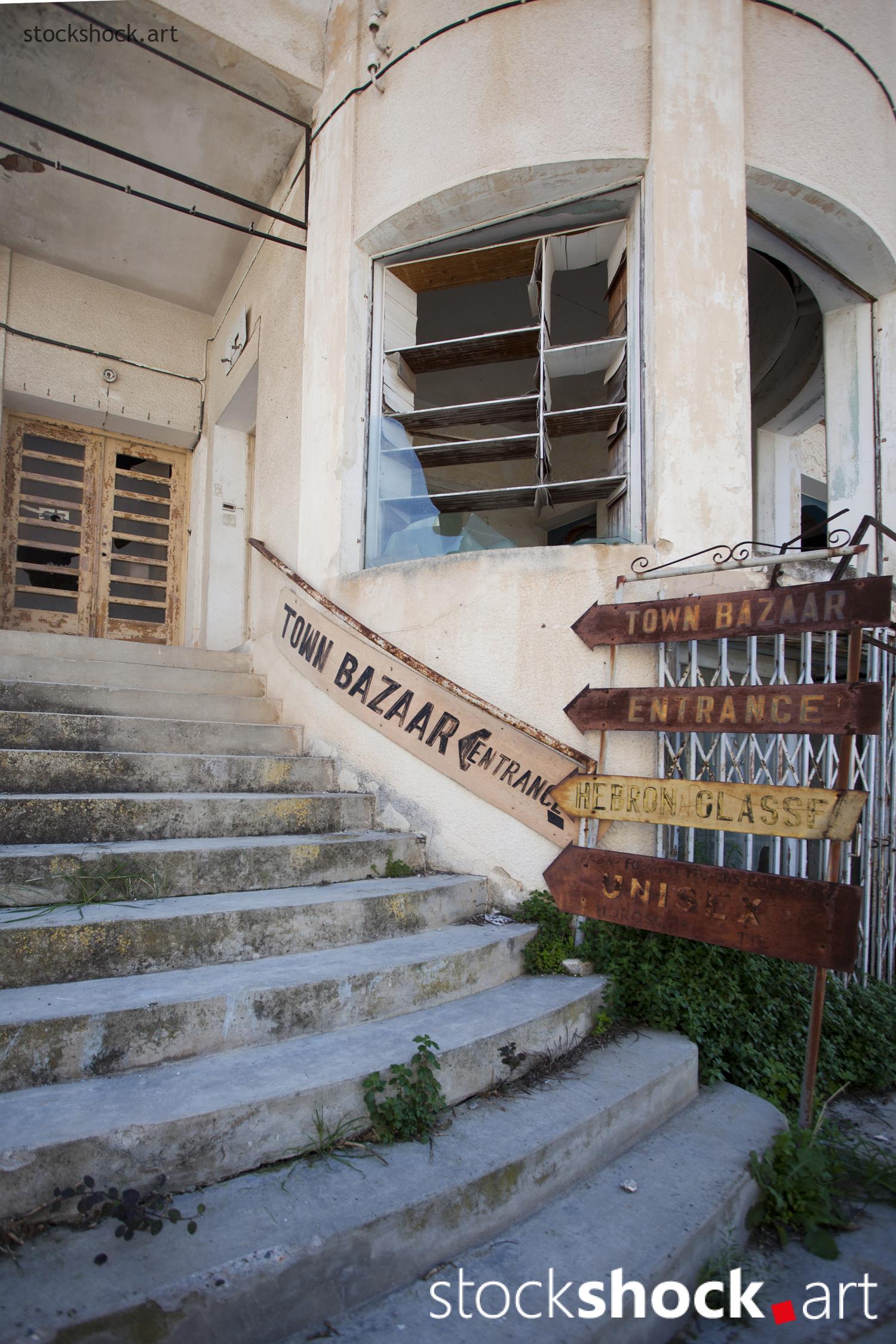
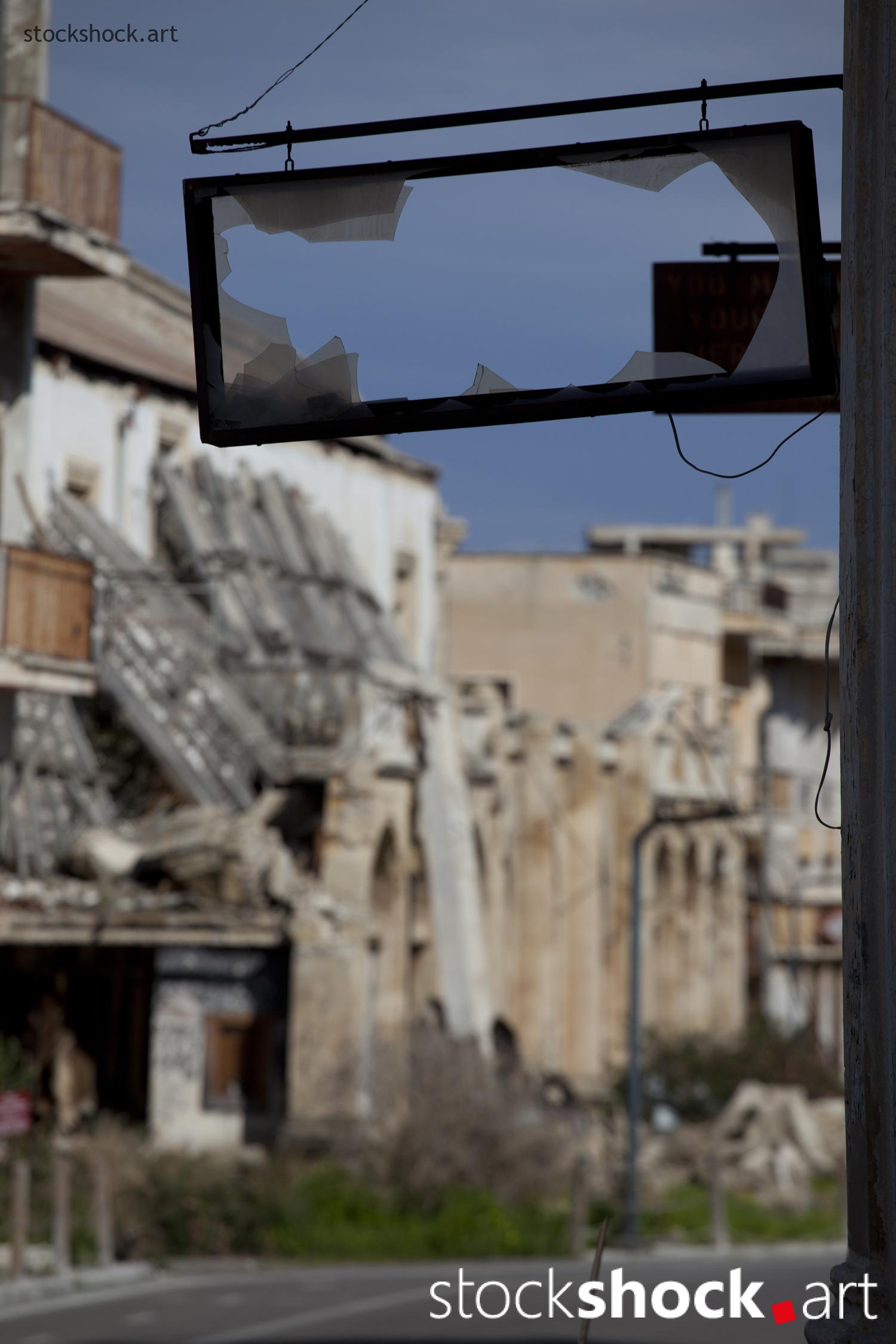
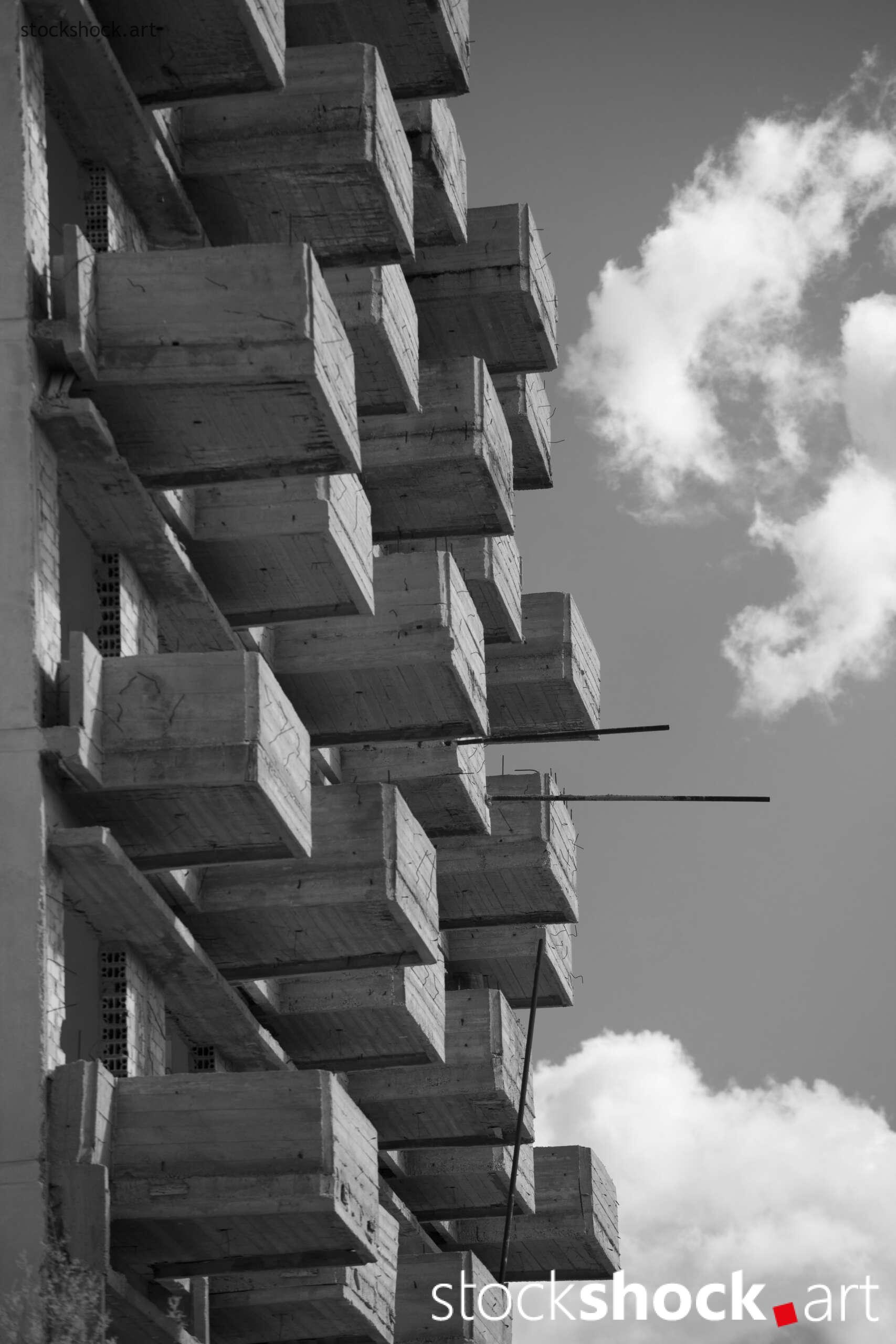
Today, Varosha stands as a grim reminder of unfulfilled dreams and conflicts that have left lasting scars on Cyprus. Abandoned hotels, dilapidated buildings, and rusting cars remain in the same condition as they were left in 1974. Vegetation slowly reclaims the urban space, and the windows of empty hotels stare out at the sea, which once witnessed luxury and carefree leisure.
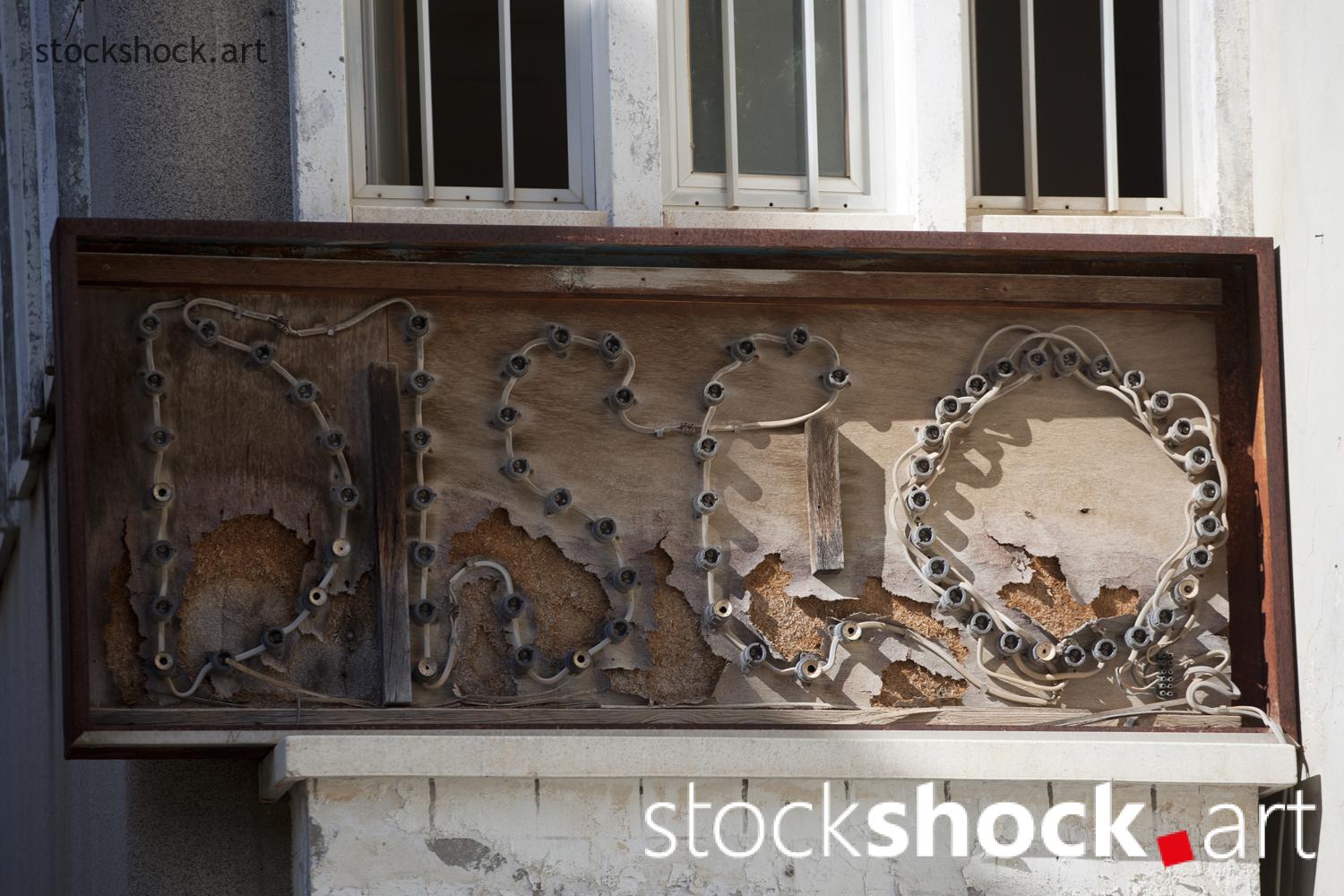
It is a profoundly symbolic place where time has stood still for decades. Walking around the area, you can see rusted signs, deserted streets, and neglected buildings that once formed the heart of the tourist industry. In the center of the city stands the King George Hotel, which once hosted the most influential personalities but now lies in ruins, reminding us of better times.
The modern reopening of Varosha
In 2020, almost 50 years after the city was closed, Turkish authorities decided to partially reopen Varosha to visitors. This sparked international controversy, as the decision was made without consultation with Greek Cypriot landowners or the Republic of Cyprus authorities. The partial reopening not only caused political tensions but also drew global attention back to this forgotten yet pivotal place on Cyprus’s map.
Hope for the future?
Despite Varosha’s tragic history, there is still hope for a better future. Many believe that revitalizing this area could play a key role in the reunification process of Cyprus. The Greek residents of Famagusta, who were forced to abandon their homes, still dream of returning and rebuilding the area. Many of them, now elderly, hope that their children and grandchildren will be able to see Varosha in its full glory once again.
Can Varosha become the “Copacabana of the Mediterranean” again?
That question remains open. Varosha still mesmerizes with its potential. Its long, sandy beaches, turquoise waters, and favorable geographical location make it a prime candidate to once again become one of the most important tourist destinations in the Mediterranean. However, before that can happen, political problems need to be resolved, and trust must be rebuilt between the Greek Cypriot and Turkish Cypriot communities.
Varosha, once full of life, now stands as a silent witness to history. It serves as a powerful symbol not only of Cyprus’s division but also of the hope for its reunification. Only time will tell if this forgotten gem of the Mediterranean will ever regain its former glory.
Visiting the Turkish side of Cyprus is a unique experience that I recommend to everyone. Not just because of the fascinating history and the mystery of Varosha but also because of the hospitable people, local cuisine, and remarkable places worth exploring on this side of the island.
Photos will soon be available at www.stockshock.art