Between Light and Ruin – Photography from the Abandoned Brick Factory in Koronowo

Sometimes the best frames appear when they are not planned.
I went to Koronowo with a simple intention – to walk around with my camera and capture fragments of the city that still breathe history.
I had no particular plan, only curiosity and the need to see something real, raw.

Koronowo is a remarkable place – standing at the intersection of history and everyday life.
In the very heart of the town rises the monumental Basilica of the Assumption of the Blessed Virgin Mary, a former Cistercian abbey from the 13th century.
Its Gothic interior, filled with light and silence, contrasts sharply with the industrial landscape of the old brick factory.

Brick factory od Koronowo

Nearby, in the buildings of the former monastery, stands the Penal Institution – a silent reminder that walls can both protect and confine.
And in the background of this urban story, one can still hear the faint echo of the narrow-gauge railway, which once connected Koronowo with the surrounding villages.
The rusted, grass-covered tracks still lead somewhere – like a memory of a time when everything seemed simpler and closer.

While wandering around the outskirts of the town, I came across an abandoned brick factory – a place that now stands silent but once pulsed with life.
Old brickyards in Koronowo and its surroundings were once an important part of local industry.
In the 19th and 20th centuries, bricks were produced here for the construction of houses, schools, and churches.
The brickyard was a symbol of endurance, craftsmanship, and permanence – and now, only the walls, the bricks, and the echo of footsteps remain.

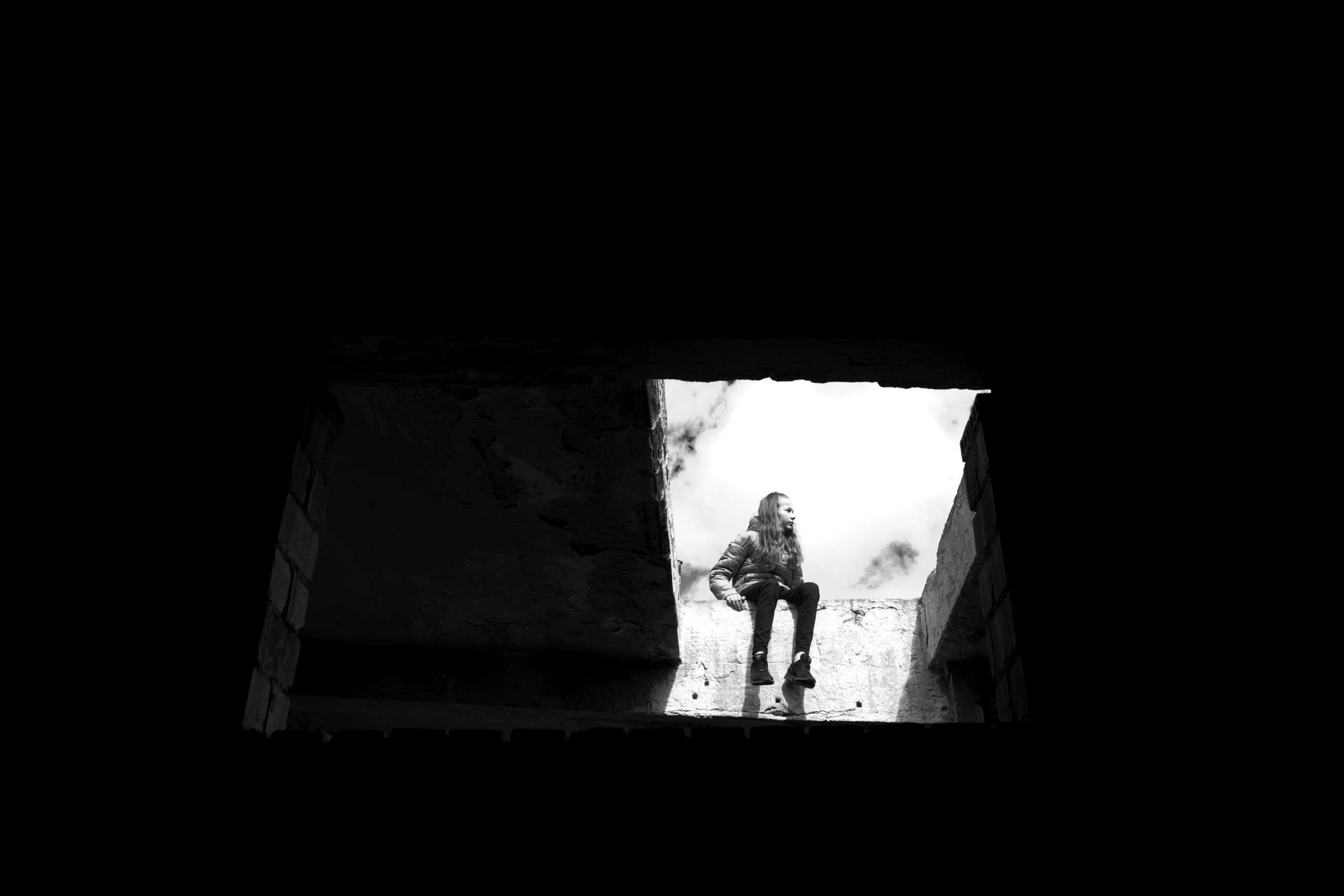
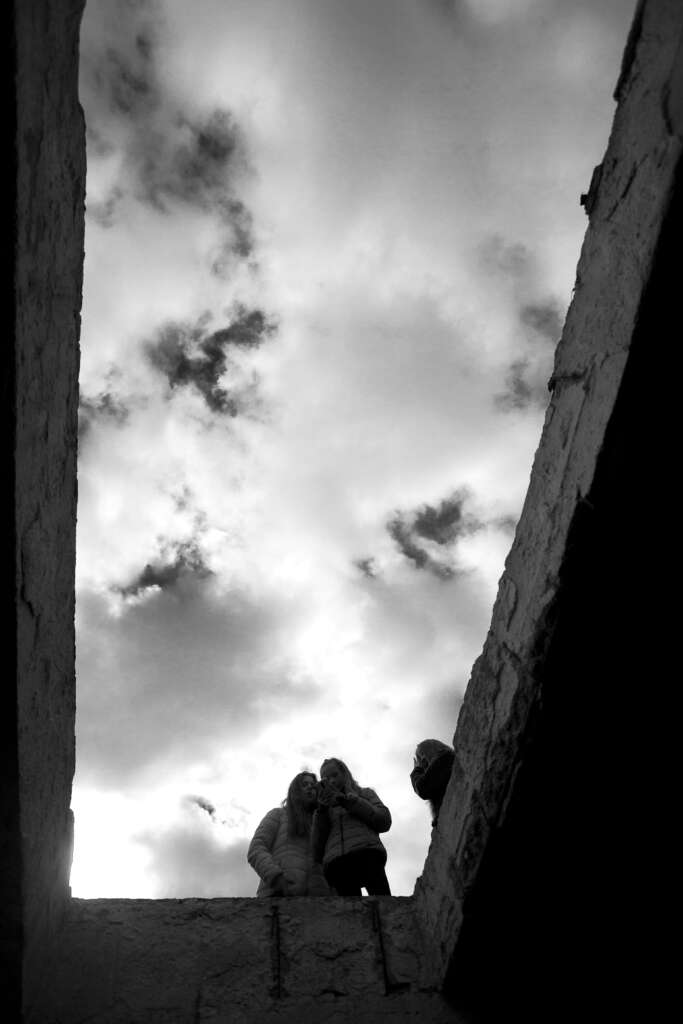
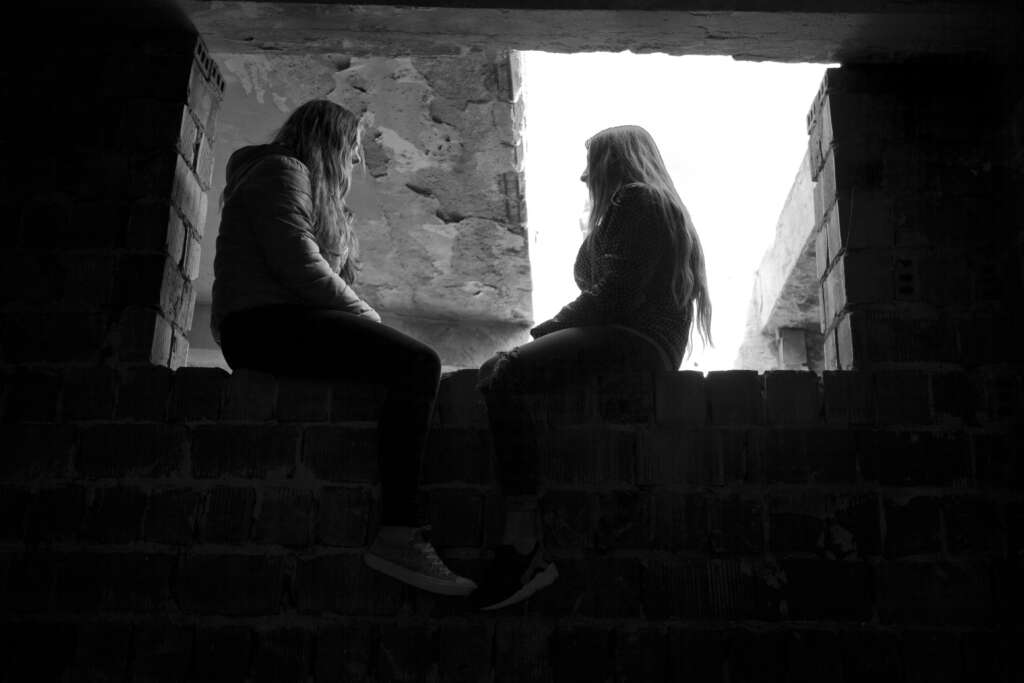
It was there that I met three girls.
Their laughter echoed through the walls, contrasting with the silence of the place.
There was something profoundly human in that – youth, carefreeness, and a touch of rebellion against time and space that had long stood still.

The brick factory in Koronowo
abandoned brick factory, three girlls

Perhaps it wasn’t their first visit. Maybe they had skipped school that day.
The brickyard meant more to them than just abandoned ruins – it was a place of meeting, shelter, and escape.
Here, they could laugh, talk, take a breath from the noise of everyday life, and feel free.
They knew every corner, every hole in the wall.
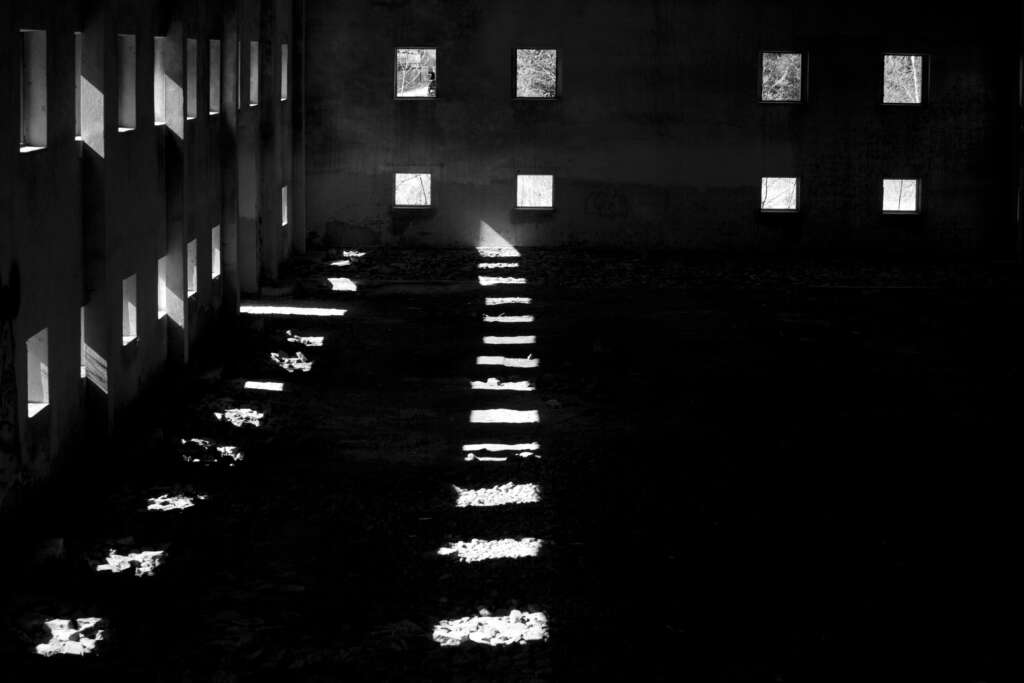
They knew where to step safely, where sunlight streamed through shattered windows, painting patterns of dust and light on the bricks.

I hadn’t planned a photo shoot.
The camera itself demanded that I capture this contrast – life among ruins, light among shadows.
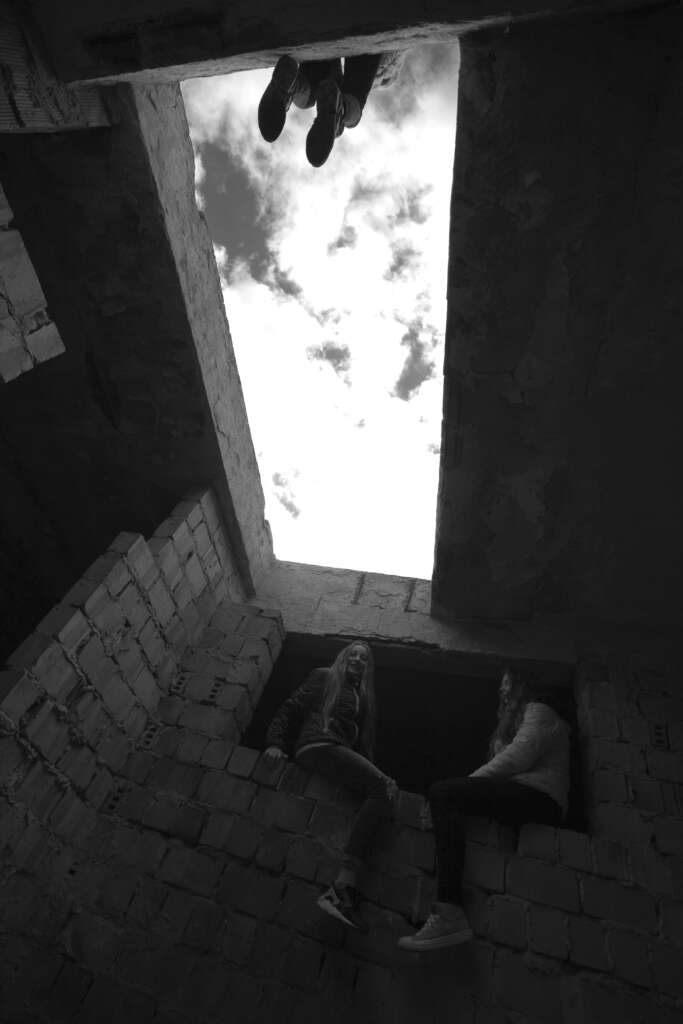
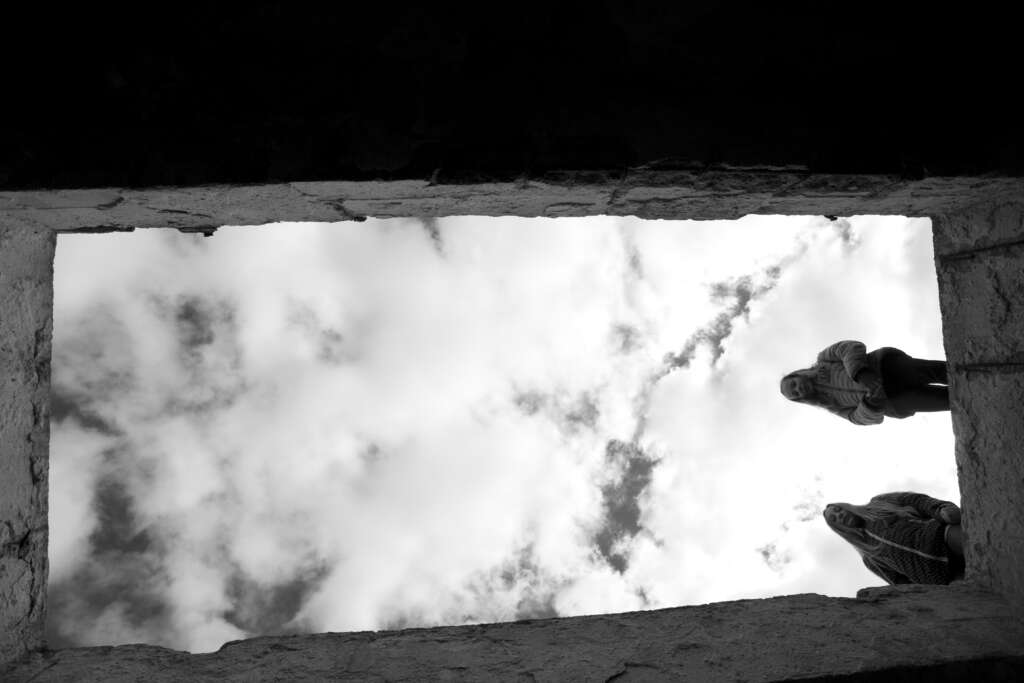
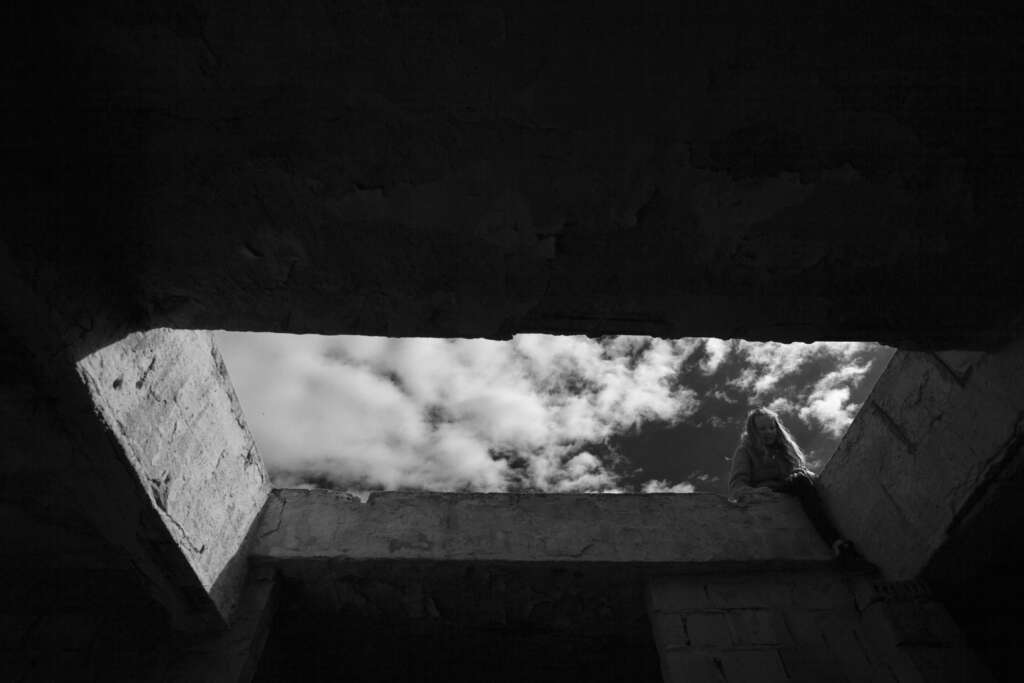
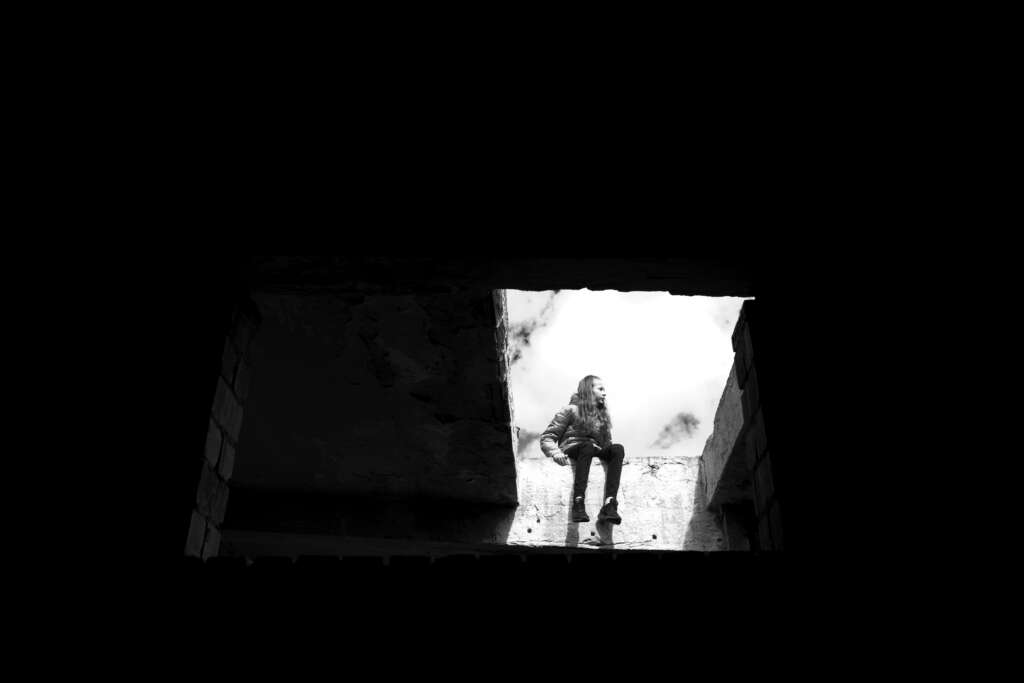
The girls climbed the brick walls, peered through broken windows, and looked at the sky through holes in the roof.
On their faces mingled the joy of momentary escape with the curiosity of discovery.

The photographs that emerged are raw, black and white, full of contrast.
Looking at them today, I see more than spontaneous frames – I see a symbol of transition.
Between past and present. Between ruin and rebirth. Between childhood and adulthood.

abandoned brick factory, three girlls
Brick factory od Koronowo
abandoned brick factory, three girlls
The brick factory in Koronowo

Each image tells more than the story of the brickyard itself.
It’s a tale of searching for freedom in places where it seems to have long vanished –
a reminder that even in the most deserted spaces, one can still find life, energy, and light.

“Two frames, two emotions – one question: where does confinement end, and freedom begin?”

This question is not only about architecture but also about ourselves.
Photography holds that extraordinary power – it captures not only an image, but also a moment of inner awakening.

The brick factory in Koronowo – now overgrown with ivy and time – became, for a brief moment, a stage for life, for spontaneous youth, and for light breaking through empty windows once again.

Leave a comment

Minimum 4 characters